The Ultimate Guide to Scandinavian Sweet Buns
Scandinavian sweet buns are some of the most beloved baked goods from the Nordic region. From fragrant Swedish cardamom buns to decadent custard-filled Norwegian skoleboller and festive St. Lucia buns, these soft, buttery treats are deeply woven into the culture of Scandinavia.
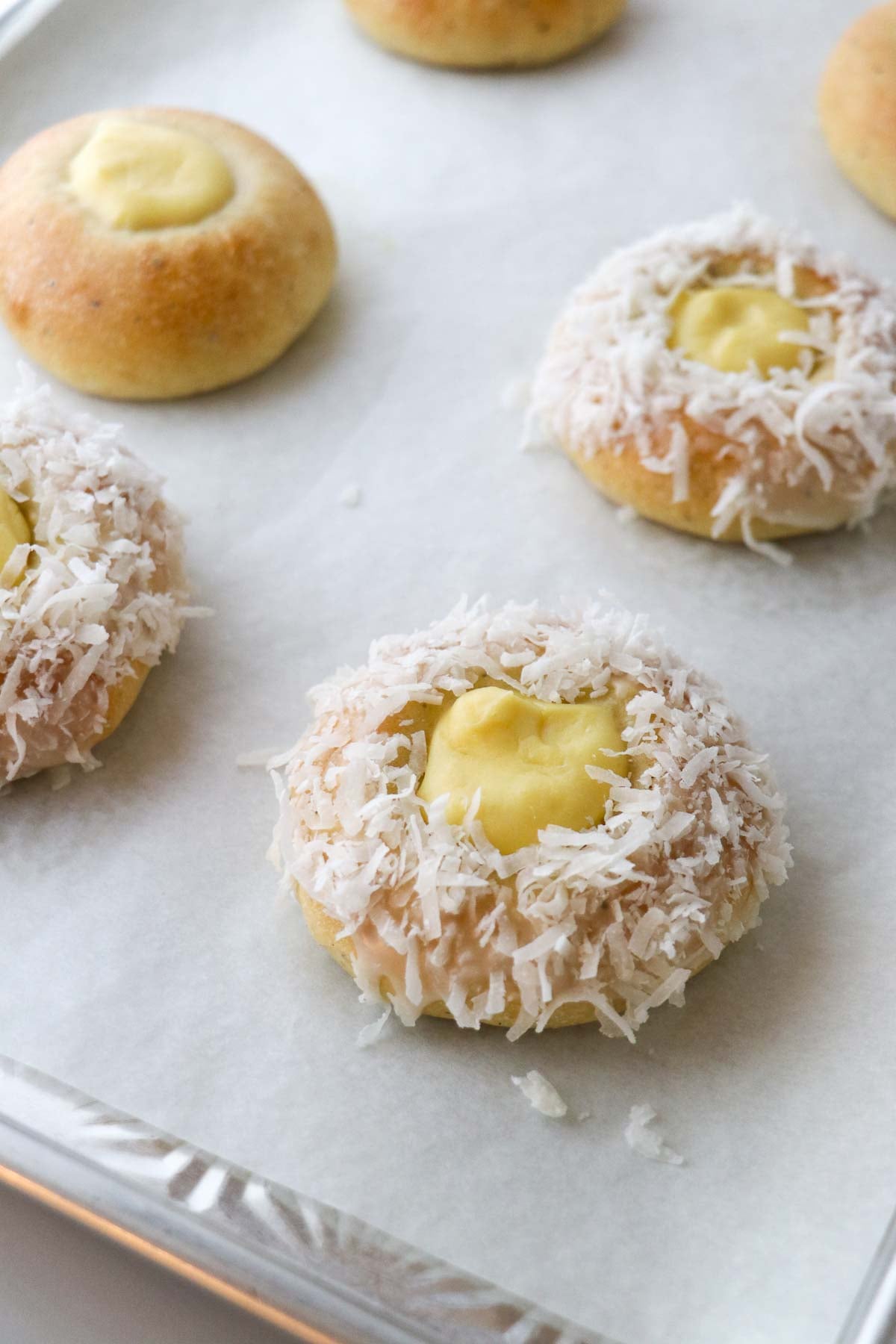
While they may look intricate and impressive, Scandinavian sweet buns are surprisingly approachable to make at home. With a simple dough and a few essential techniques, you can create bakery-quality buns right in your own kitchen. You don't need to be an experienced baker to get beautiful results.
This guide will walk you through everything you need to know, from what makes these buns unique to helpful tips for success and a curated collection of reliable recipes to get you started.
What Makes Scandinavian Sweet Buns Unique
As a general rule, Scandinavian sweet buns share a few defining characteristics:
- Soft, tender and rich with butter
- Often flavored with fragrant cardamom
- Lightly sweet rather than overly sugary
- Shaped into beautiful, eye-catching shapes
- Meant to be enjoyed with coffee, often as part of a daily coffee break (such as the Swedish tradition of fika)
One Dough = Many Different Buns
Each type of Scandinavian sweet bun is made from essentially the same basic dough. Once you've mastered one recipe, it's easy to move on to another with confidence. The dough is leavened with yeast and enriched with butter and milk, creating a soft, tender crumb. I typically use instant yeast for its reliability and ease. You'll find the full recipe for this versatile dough in each of the bun recipes featured below.
When I first began testing recipes for Scandinavian sweet buns, I started with Swedish cinnamon buns. My initial results were good, but not quite what I was after. The buns weren't as soft and billowy as I had hoped, and they tended to dry out quickly.
After a bit of research, I came across the tangzhong method, a technique used in making Japanese milk bread. It involves cooking a small portion of the flour and liquid before adding it to the dough. The result is a softer, more tender bun that stays fresh longer. Once I tried it in my cinnamon bun recipe, I never looked back. This simple technique has become the foundation of all of my sweet bun recipes. Learn more about the tangzhong method and why it works here.
Essential Tips for Successful Buns
Here are a few tips and tricks that will help ensure a successful bun bake every time:
- Use instant yeast rather than active dry yeast. Instant (sometimes labeled "rapid rise") yeast doesn't need to be proofed first. You can simply mix it in with the dry ingredients and proceed with the recipe. It's also generally more reliable.
- Grind your own cardamom. Start with whole cardamom seeds and grind them yourself for the best flavor. It makes a noticeable difference and gives your buns the aromatic quality you'd find in a Scandinavian bakery.
- Resist the urge to add more flour. The dough should feel soft and slightly tacky, not dry. Adding too much flour can lead to dense buns. Less flour means a lighter, more tender result.
- Skip the flour when rolling out the dough. Work on an unfloured surface so the dough grips the countertop slightly, making it easier to roll and shape. A dough scraper is a simple, inexpensive tool that helps release the dough when needed.
- Chill the dough if it becomes too soft. If the dough becomes difficult to shape, cover it and place it in the refrigerator for a short time. This helps it firm up and makes shaping much easier.
- Don't stress over the shaping. Scandinavian buns are often rustic and varied in appearance. I promise they will still be soft, delicious and lovely in their own way.
Scandinavian Sweet Bun Recipes







When to Serve Scandinavian Buns
Most Scandinavian sweet buns are enjoyed year-round, often as part of a morning or afternoon coffee break. In Sweden, this daily pause is known as fika, but similar coffee rituals exist throughout the Nordic countries. It's a simple, meaningful way to slow down and enjoy something homemade. You can learn more about fika and how to create your own coffee break ritual here.
Some buns, however, are tied to specific holidays or seasons. St. Lucia buns, for example, are traditionally served on St. Lucia Day in Sweden (December 13), while semlor and fastelavnsboller are enjoyed in the weeks leading up to Lent.
Cinnamon Bun Day (Kanelbullens Dag) is celebrated each year on October 4, and it's a beloved tradition in Sweden. Bakeries are filled with freshly baked buns and it's a perfect opportunity to bake some at home and join in the celebration!
Storage and Make Ahead Tips
To Make Ahead: You have a couple of options. You can let the dough rise at room temperature until nearly doubled in size, then transfer it to a covered container or baking dish and refrigerate for up to 24 hours. Alternatively, shape the buns the night before baking, cover tightly, and refrigerate overnight. Before baking, let the buns sit at room temperature for about 45 minutes to take the chill off and finish rising if needed.
To Store: Scandinavian sweet buns are at their best the day they are made, but they will keep well in an airtight container at room temperature for 1-2 days. The exception is Norwegian skoleboller, which should be stored in the refrigerator due to the pastry cream filling.
To Freeze: These buns freeze beautifully. Let them cool completely, then transfer to a freezer-safe container or bag and freeze for up to 2-3 months. Thaw at room temperature or warm gently in a 300°F oven or microwave before serving.
With a single, well-made dough, you can create a wide variety of buns, from classic cardamom and cinnamon buns to custard-filled and seasonal favorites. Each recipe offers something a little different, but they all share the same soft texture and comforting, lightly sweet flavor.
If you're new to baking Scandinavian buns, start with one recipe and take your time. With a bit of practice, you'll find that the process becomes familiar and even relaxing. And don't forget to brew yourself a cup of coffee to go with your freshly baked buns!