Nordic cuisine has undergone a transformation over the past 20 years. The rise of the New Nordic Cuisine movement has brought attention to the ingredients native to this northern climate and has changed the way the people perceive Scandinavian food as a whole.
Once only seen as meatballs, pickled herring and lingonberry jam, Nordic cuisine is now viewed as a diverse and exciting celebration of native vegetables, fruits, whole grains, locally-sourced meat, wild game and fish.
The Origins of the New Nordic Kitchen Manifesto
This happened largely thanks to the efforts two Danish men, Claus Meyer and Jan Krag Jacobsen who decided it was time to overhaul what they saw as an outdated perception of Nordic cuisine. In 2004, Meyer and Jacobsen assembled a group of Scandinavian chefs with the intent of creating a broad framework that would both preserve and advance the unique food culture of the Nordic region. And thus, the New Nordic Kitchen Manifesto was born.
"As Nordic chefs," they stated, "we find that the time has now come for us to create a New Nordic Kitchen, which in virtue of its good taste and special character compares favorable with the standard of the greatest kitchens of the world." Rather than outline specific techniques or ingredients, the manifesto contains 10 statements of intent for the New Nordic Kitchen envisioned by this ambitious group of chefs:
The Aims of the New Nordic Kitchen
To express the purity, freshness, simplicity and ethics we wish to associate to our region.
To reflect the changes of the seasons in the meals we make.
To base our cooking on ingredients and produce whose characteristics are particularly in our climates, landscapes and waters.
To combine the demand for good taste with modern knowledge of health and well-being.
To promote Nordic products and the variety of Nordic producers - and to spread the word about their underlying cultures.
To promote animal welfare and a sound production process in our seas, on our farmland and in the wild.
To develop potentially new applications of traditional Nordic food products.
To combine the best in Nordic cookery and culinary traditions with impulses from abroad.
To combine local self-sufficiency with regional sharing of high-quality products.
To join forces with consumer representatives, other cooking craftsmen, agriculture, fishing, food retail and wholesale industries, researchers, teachers, politicians and authorities on this project for the benefit and advantage of everyone in the Nordic countries.
The Nordic Diet as a Healthy Alternative
This manifesto not only elevated the restaurant landscape in Scandinavia (think Noma in Denmark or Fäviken in Sweden), it also brought international attention to the fact that a diet rich in Nordic ingredients could be good for you. For many years, the Mediterranean diet has received countless accolades for its health benefits. But for the many people who don't live near the Mediterranean, following a diet that is largely based on the local produce of that particular growing region is unrealistic and not an environmentally sound practice. The so-called Nordic diet provides a cold climate alternative: Still rich in plant-based foods, whole grains and fatty fish, but with more focus on the nutrient dense root vegetables that grow well in the north.
The Nordic diet has influenced home cooks in the region by articulating a modern, healthful approach to cooking with native ingredients. It also reflects a shift in values when it comes to food that is evident worldwide: A growing commitment to cooking and eating sustainably, seasonally and in an environmentally-conscious manner.
Foods Included in the Nordic Diet
So what specific foods are included in the Nordic diet? I've put together a handy list which includes links to recipes here on the blog that fit into each category:
Root Vegetables and Tubers
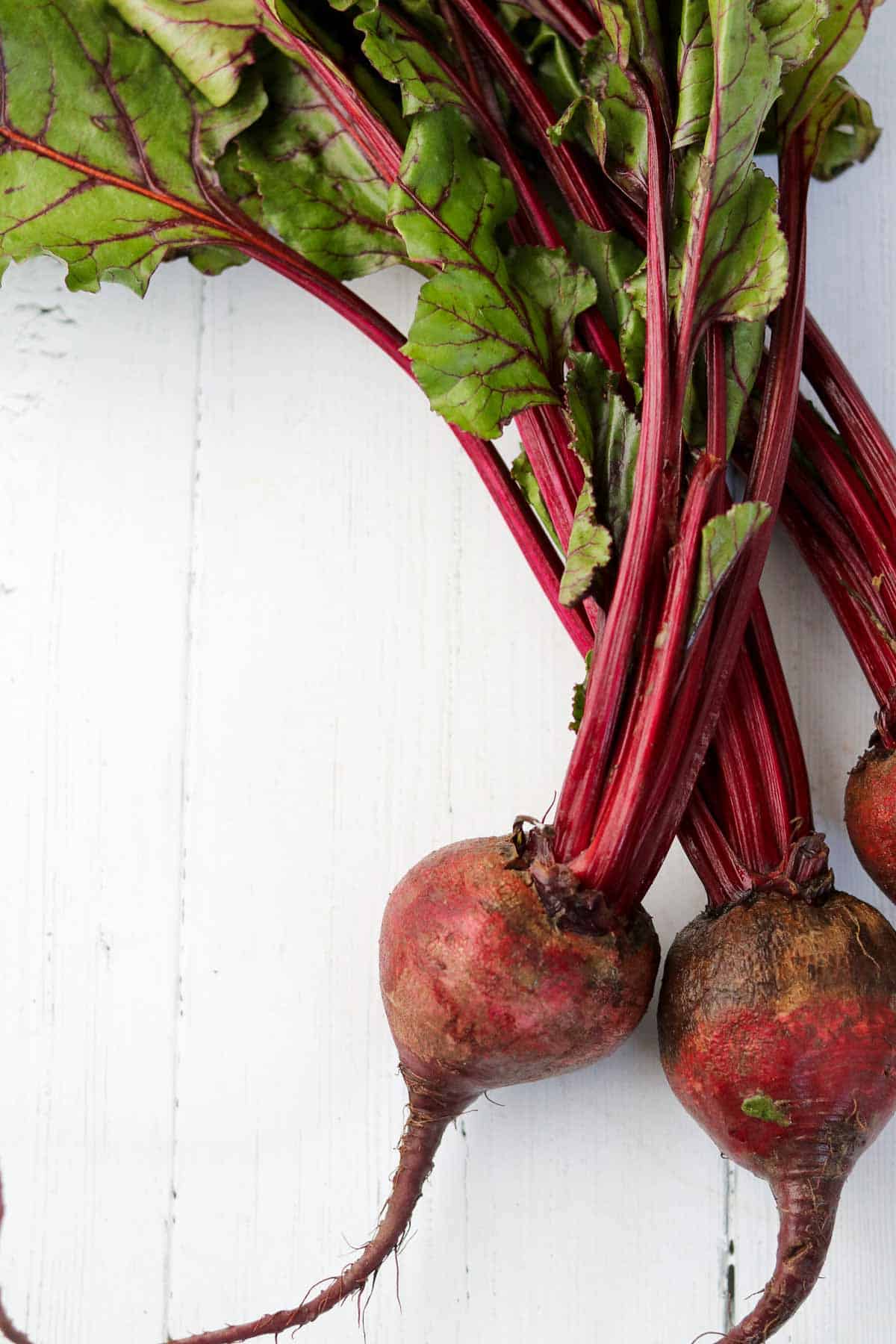
Beets, carrots, celery root, parsnips, rutabaga, turnips and potatoes are among the common varieties of root vegetables and tubers grown in the northern regions. Small new potatoes are particularly prized during the summer months.
Roasted Beet Salad with Arugula, Rye and Creamy Herbed Skyr Sauce
This impressive and hearty salad is a delightful combination of flavors and textures: Earthy beets, spicy arugula, crisp shallots and pop-in-your-mouth rye berries all tossed in a honey mustard vinaigrette.And alongside there's a Creamy Herbed Skyr Sauce to perfectly compliment the components and bring them all together.
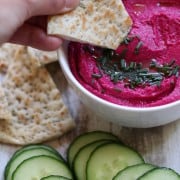
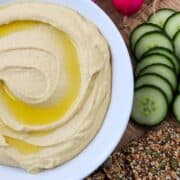
A delicious, creamy and visually stunning homemade hummus with just a hint of earthy sweetness thanks to the addition of a roasted beet. Perfect for dipping!
You will also find Brussels sprouts, cauliflower and broccoli in the Nordic region. Cabbage is plentiful as are dark leafy greens such as kale, spinach and chard.
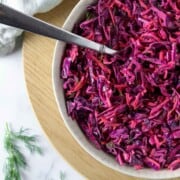
Nordic Red Cabbage Slaw with Carrots and Beets
This zesty, colorful slaw is much more interesting than the average coleslaw.....shredded red cabbage, carrots and raw beetsare tossed with chopped red onion, dill and a creamy skyr or Greek yogurt-based dressing to create a Nordic-inspired slaw you are going to love!
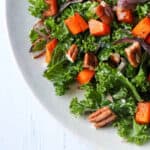
A delicious salad with kale, sweet roasted butternut squash and red onions and toasty pecans. It makes a tasty leafy green side dish or a hearty main coarse salad.
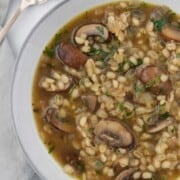
Scandinavians are avid foragers. From berries to mushrooms to wild greens, foraging is a very popular activity in the Nordic countries. This enduring custom also finds its way into the recipes of the region, many of which call for wild edibles, including mushrooms, as ingredients.
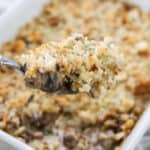
Mushroom Gratin
A delicious and easy gratin with creamy, thyme-infused mushrooms covered with melty cheese, crispy bread crumbs and baked until golden brown and bubbly.
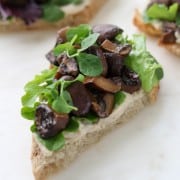
Balsamic-Glazed Mushroom Smørrebrød with White Bean Purée
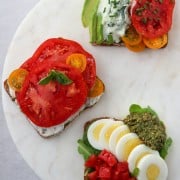
A delicious (and vegan!) open sandwich featuring a garlic and rosemary white bean purėe, balsamic-glazed mushrooms and tender arugula piled high on top of toasted sourdough bread.
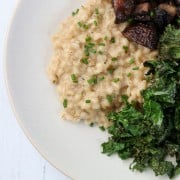
Creamy Barley Risotto with Roasted Mushrooms and Crispy Kale
A creamy risotto made with pearl barley instead of rice. Topped with hearty roasted mushrooms and crispy, garlicky kale, this dish makes a delicious and comforting vegetarian winter supper.
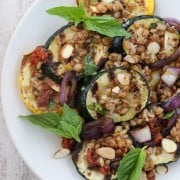
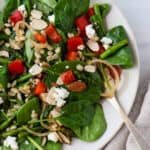
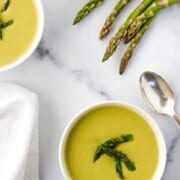
Despite the short growing season in the Nordic region, the summer months bring a bounty of fresh seasonal vegetables to the table, including tender greens, spinach, asparagus, nettles, cucumbers and zucchini.
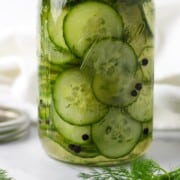
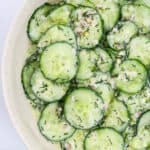
Quick Swedish Pickled Cucumbers
An easy recipe for Scandinavian-style fresh pickled cucumbers with dill.
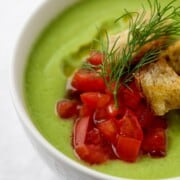
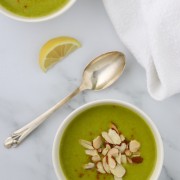
Refreshing cucumber, vibrant peppers, fragrant dill and creamy avocado come together in this vegetarian no-cook soup. A delicious, cooling elixir for hot days!
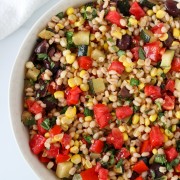
Summer Harvest Barley Salad with Corn, Zucchini and Tomatoes
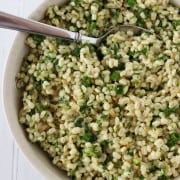
A delicious barley salad featuring tender zucchini, sweet corn, garden fresh tomatoes and briny olives tossed with hearty barley grains, a zippy vinaigrette and a handful of chopped basil. Perfect for the height of summer!
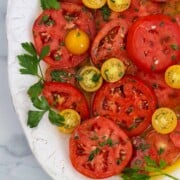
Looking for an easy and fresh way to use up those summer tomatoes? These Marinated Garden Tomatoes are the answer! Thick slices of perfectly ripe tomatoes are gently tossed in a simple vinaigrette with chopped fresh parsley. It's summertime perfection!
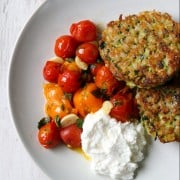
Zucchini Barley Cakes with Roasted Cherry Tomatoes and Ricotta
Delicious and hearty cakes made with pearl barley, zucchini and fresh herbs served alongside roasted cherry tomatoes and fresh ricotta cheese. A delicious late summer vegetarian dinner!
The Nordic region is known for its rye consumption, particularly in the form of dark rye bread, but barley, spelt and oats are commonly enjoyed as well. Not only are whole grains ground into flour and baked into delicious breads, they are also enjoyed as creamy breakfast porridges or cooked simply and served in salads or hearty grain-based bowls.
Norwegian Whole Grain Bread (Grovbrød)
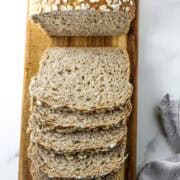
This Norwegian Whole Grain Bread (Grovbrød) is a hearty yet tender everyday loaf. Perfect for toast and sandwiches, it delivers wholesome whole grain flavor with a soft, reliable crumb.
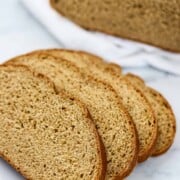
Limpa is a classic Swedish rye bread with a tender crumb and a hint of fragrant orange and anise seed. While some rye breads can be tricky to work with, this recipe is incredibly simple. If you are new to baking rye bread at home, this Swedish Limpa is the perfect place to start.
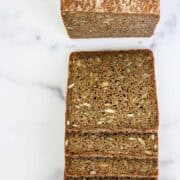
An easy and foolproof recipe for traditional Danish rye bread known as rugbrød. Made with instant yeast (NO sourdough starter required), rye flour, whole grains and a variety of wholesome seeds, this dense rye bread is as nutritious as it is delicious. Perfect for smørrebrød, the famous Nordic open sandwiches served in Denmark!
A simple recipe for Swedish Crispbread (Knäckebröd) featuring dark rye flour and oats. A delicious and nutritious accompaniment to snacks and meals at any time of day!
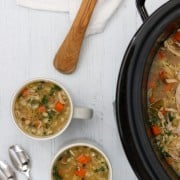
A delicious and easy chicken and barley soup recipe designed for the slow cooker. Nourishing and comforting, this chicken soup is the perfect cozy meal for a cold winter's night.
Rye Berry Salad with Chickpeas, Roasted Red Peppers and Arugula
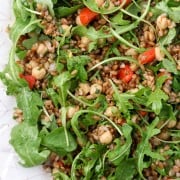
A bright and zesty salad featuring rye berries, chickpeas, roasted red peppers, capers and arugula tossed in a zippy vinaigrette. A delicious and nutritious make ahead dish!
Surrounded by the sea and freshwater lakes, Scandinavians enjoy a diet rich in local seafood. Salmon, cod, herring, shrimp and mackerel are among the most commonly available choices.
Smoked Salmon and Fennel Salad Smørrebrød
A delicious Nordic open sandwich featuring store bought gravlax and a crisp fennel salad.
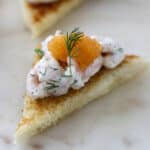
An easy and delicious Scandinavian-inspired appetizer with sliced potatoes, curry remoulade sauce, pickled herring and fresh dill. A simply elegant beginning to a festive evening!
Scandinavians are more likely to enjoy reindeer, moose, elk, venison and game birds on occasion than we are here in the United States. Conventionally raised meat and poultry are eaten in moderation.
Berries and Other Seasonal Fruit
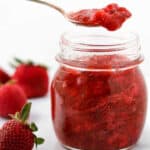
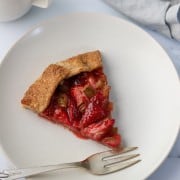
Antioxidant-rich blueberries, blackberries, strawberries and raspberries grow seasonally in the north, as do the more exotic cloudberries and lingonberries. Apples and pears are readily available in the fall, and rhubarb is plentiful in the spring.
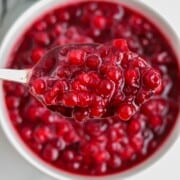
No Cook Lingonberry Sauce (Stirred Lingonberries)
A simple but essential Scandinavian condiment made with lingonberries and sugar. Delicious on nearly everything!
A light and airy lingonberry mousse made with lingonberries, sour cream (or yogurt or skyr), whipped cream and stabilized with a little gelatin. A delicious and impressive make-ahead dessert for any occasion!
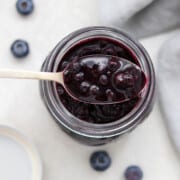
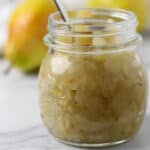
A simple and delicious fruit compote made with frozen blueberries, ground cardamom and pure maple syrup or honey. The perfect way to perk up your breakfast, afternoon snack or late night bowl of ice cream!
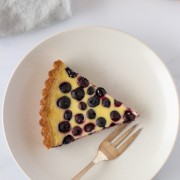
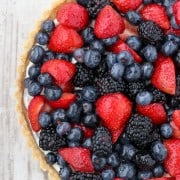
A deliciously simple Finnish tart filled with fresh blueberries and an easy creme fraiche filling. An elegant and effortless late summer dessert or afternoon fika treat!
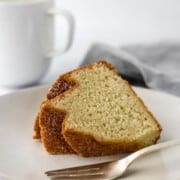
A deliciously moist and simple bundt cake featuring tender, sweet pears, brown butter and warm spices. The perfect afternoon treat with a cup of coffee!
A deliciously moist apple donut made with homemade apple compote, brushed with melted butter and rolled in a sugar and spice mixture. The perfect fall treat!
This is one area in which the Nordic diet differs from the Mediterranean diet which focuses solely on olive oil. Neutral in flavor, canola oil is a popular choice in Scandinavia.
Cultured Dairy Products
Filmjölk (a pourable yogurt like kefir) and skyr (Icelandic yogurt) are a couple of examples of fermented dairy products available in Scandinavia. They are typically enjoyed with porridge, granola or muesli at breakfast.
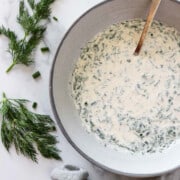
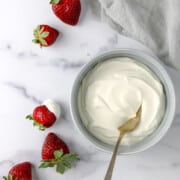
Creamy Herbed Skyr Sauce
A creamy, garlicky, herbed yogurt sauce that goes nicely with just about everything.
Pickling is a popular way to prolong the shelf-life of seasonal vegetables and is quite popular in this region that has a relatively short growing season.
Spicy Quick Pickled Beets
Scandinavian style quick pickled roasted beets with a spicy kick! The perfect compliment for all manner of Nordic inspired dishes.
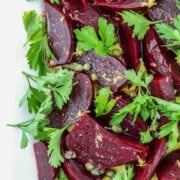
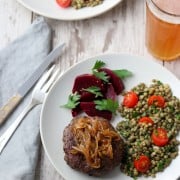
A fresh and easy pickled beet salad with lemon zest, capers and Italian parsley that makes a great compliment to grilled meats and legumes, lentils in particular.
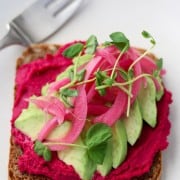
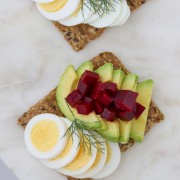
A delicious combination of creamy avocado, sliced hard-boiled egg and spicy pickled beets on top of rye bread. The perfect savory Nordic breakfast for busy days!
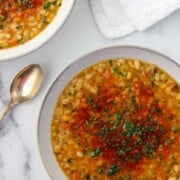
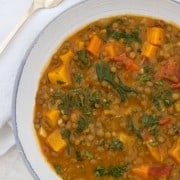
Dried whole yellow peas and split peas are the core ingredient in many of the hearty soups popular in the Nordic region, but lentils, beans and chickpeas are also commonly consumed in the modern Scandinavian home kitchen.
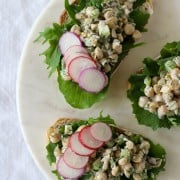
Chickpea Salad Smørrebrød
A creamy, herby chickpea salad with crisp celery and briny capers. Perfect for piling high on rye bread with fresh lettuce greens.
Dill is a well-known staple of Nordic cuisine, but you will find other fresh herbs as well: Thyme, tarragon, parsley, rosemary and marjoram, just to name a few. Scandinavian cooking and baking also boasts its share of exotic spices, most notably cardamom, cinnamon and curry powders of all kinds. It is believed that the Vikings brought these unusual spices north after encountering them on their eastern travels.
St. Lucia Buns (Lussekatter)
A soft, slightly sweet Scandinavian saffron bun that is traditionally served on St. Lucia Day (December 13th).
Remoulade is a zesty Danish condiment featuring a creamy base, curry powder, chopped pickles and capers. SO delicious on hot dogs and open sandwiches (smørrebrød) of all kinds!
Traditional Swedish Cinnamon Buns (Kanelbullar) made with a sweet, buttery cardamom dough and a brown sugar cinnamon filling. Golden brown on the outside and soft and tender on the inside, they are cinnamon bun perfection!
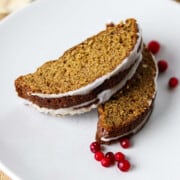
This Swedish Spice Cake is pure coziness in cake form: A moist, tender and simple spice cake flavored with the comforting flavors of gingerbread (think cinnamon, ginger and cloves) and drizzled with the possibly the easiest 3 ingredient powdered sugar icing you'll ever make.
A truly special Swedish Ginger Cookie with a crispy outer edge and a pleasantly chewy center. The perfect accompaniment with coffee, tea or mulled wine (glögg).
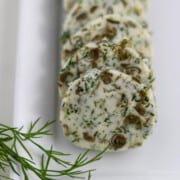
An easy and zesty compound butter made with chopped fresh dill and capers. Perfect for spreading on crispbread or dressing up simply cooked vegetables and meats!
Scandinavians tend to value simplicity when it comes to meal preparation. There is generally one main course served family style, and foods are likely to be simply prepared, letting the true nature of the ingredients shine through. Thanks to the concept of hygge which runs deep in Nordic culture, there is also a commitment to cooking intimate meals at home with friends and family instead of going out.
Finally, there is a Swedish concept called lagom which loosely translates to "just the right amount". As applied to food, this means that Scandinavians tend to seek balance, both in what they decide to eat and how much. We Americans are quick to take the extreme route when it comes to diet, attempting to cut out certain ingredients entirely. "I'm giving up gluten," we might say, or "I'm going sugar-free." In the Nordic countries people are more willing to accept that there is a middle way, a lagom way of eating that makes room for the nutrient dense ingredients AND the occasional indulgence. The Swedish tradition of fika is a great example. This long-standing custom of a daily coffee break (often accompanied by a tasty baked good) continues to be an important and vital part of Swedish culture.
My hope is that the recipes I offer you here on the blog are sometimes fresh and approachable examples of New Nordic Cuisine designed for the American home cook, and sometimes simply my updated (and hopefully delicious) versions of traditional Scandinavian dishes. My personal Nordic kitchen definitely includes both. And there is always, ALWAYS room for a fika treat in my day. I hope this inspires you to create your own New Nordic Kitchen!

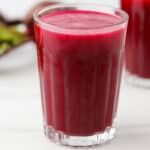
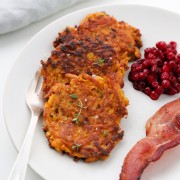
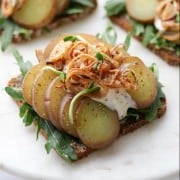
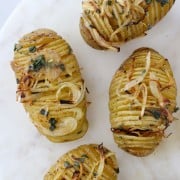

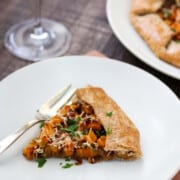
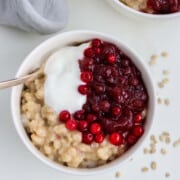
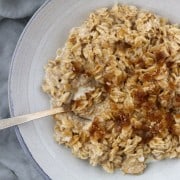


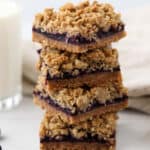
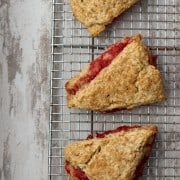
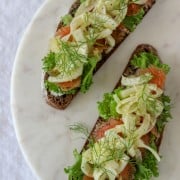
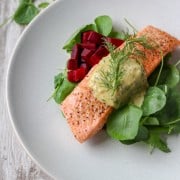
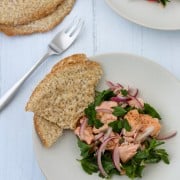
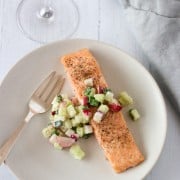
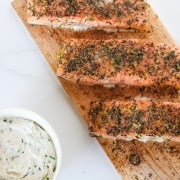
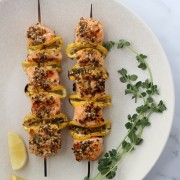















Nordic cuisine has come a long way! I'm excited for you to try some of these "New Nordic" recipes at home.